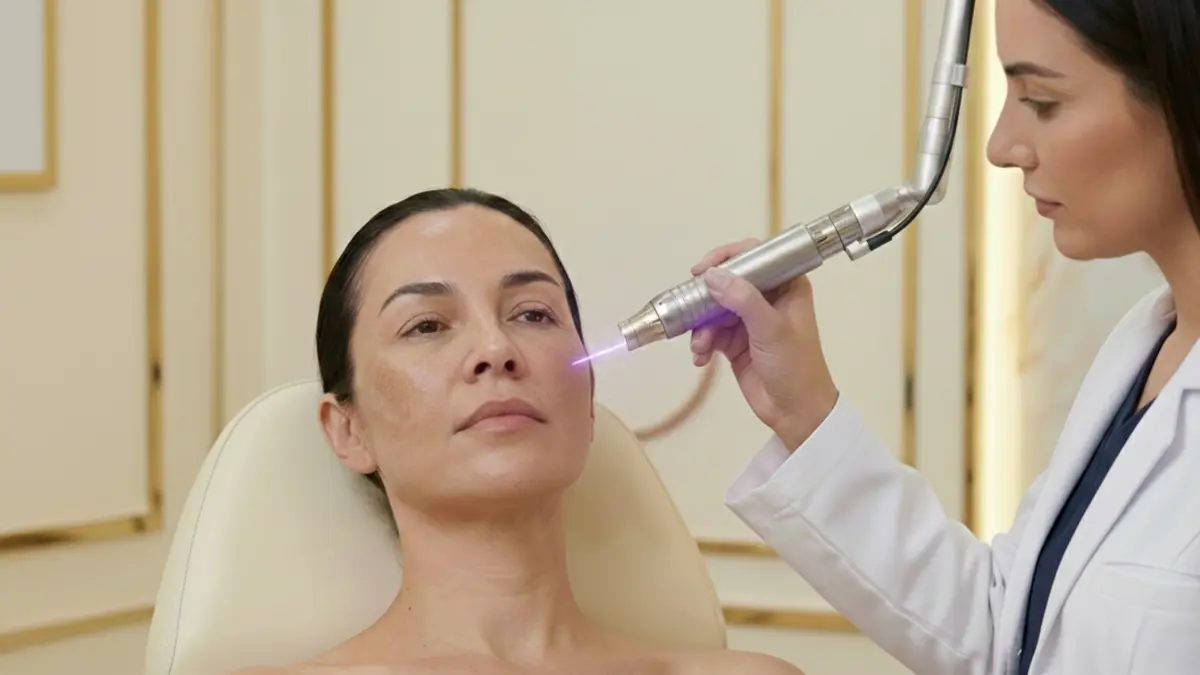






Pico laser treatment is rapidly gaining popularity among women worldwide. If you’re someone who frequently visits aestheticians or dermatologists, you’ve likely heard of this treatment, especially if you have an uneven skin tone or stubborn pigmentation.
Here at ZMD Aesthetics, our Pico lasers are generally used for addressing the appearance of stubborn melasma, clearing post-acne scars, achieving overall skin rejuvenation, and effectively removing unwanted tattoos.
Many women choose this treatment when they’ve tried everything, from skincare products to medicine, but nothing delivered the results they expected. If you’ve also signed up for this treatment for the same reason, you must start preparing your skin at least a week before the scheduled treatment date.
This preparation will give you optimal results. In this blog, we’re sharing the steps to prepare your skin for a pico laser treatment. So, ensure you read the full blog and follow the steps discussed below.
What is Pico Laser Treatment?
If you’re still unsure what pico laser treatment is, it’s a non-invasive skin procedure that uses ultra-short laser pulses to target concerns such as pigmentation, acne scars, and other visible skin challenges.
You can also benefit from this treatment if you have sunspots, dullness, and uneven texture. Instead of relying heavily on heat, the pico laser delivers quick bursts of energy that break down excess pigment and stimulate natural collagen production.
Since the pulses are delivered at an incredibly fast rate, the surrounding skin experiences little to no damage compared to traditional treatments. If you’ve already tried skincare products, chemical peels, or high-end facials but nothing has worked, then a pico laser treatment is worth considering.
Preparing Your Skin for Pico Laser Skin Treatment
Skin preparation is necessary before any laser treatment, but it’s not necessarily complex.
If your pico laser treatment is due in the coming week, we recommend following these steps 7 days preceding the treatment date.
Day 7 – Pause Strong Active Ingredients
Stop using retinoids, glycolic acid, salicylic acid, benzoyl peroxide, and other exfoliating products at least 5 to 7 days before the treatment date.
These ingredients thin and sensitize the outer skin layer, potentially increasing redness and irritation during the procedure. Instead, switch to a gentle cleanser and a simple moisturiser.
Day 6 – Sun Protection Becomes Non-Negotiable
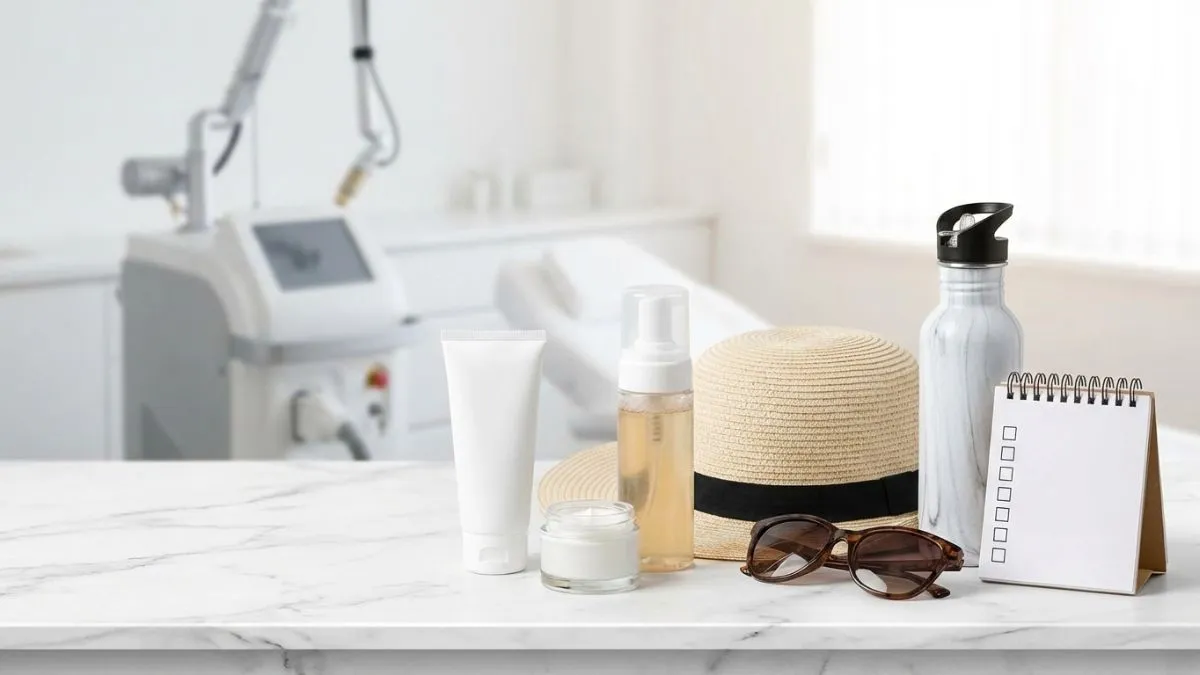
At this point, you should avoid direct sun exposure. If your work involves going outside, then apply a broad-spectrum sunscreen (SPF 30 or higher) before stepping outside.
You can also apply it if you plan to remain indoors because tanned or sunburned skin is reactive and can increase the risk of pigmentation reappearance.
Day 5 – Focus on Hydration
Hydrated skin responds better to laser treatments and also recovers faster. Hence, start drinking more water throughout the day and apply a fragrance-free moisturiser regularly.
Avoid trying any new skincare product on your skin this week to prevent any unwanted skin issues.
Day 4 – Review Medications and Supplements
Make a list of all the medications and supplements you’re taking, and share it with your dermatologist. Certain antibiotics, acne medications, and supplements can increase skin sensitivity or the risk of bruising.
However, don’t stop any medication without your doctor’s approval. Consult both your dermatologist and your general physician for guidance.
Day 3 – Avoid Other Skin Treatments
As the treatment date approaches, stop any other skin treatments. We’re talking about waxing, threading, chemical peels, microdermabrasion, or facials.
These treatments may inflame the skin, making it more vulnerable during laser exposure.
Day 2 – Minimize Alcohol
Alcohol can dehydrate skin and increase sensitivity. Hence, minimize or completely stop the intake of alcohol at least two days before the treatment.
Day 1 – Arrive with Calm, Clean Skin
The night before your scheduled treatment, gently cleanse your skin and apply a fragrance-free moisturiser. Sleep at least 8 hours the night before so you’re well-rested, resulting in calm, stress-free skin the next day.
Aftercare Tips for Pico Laser Treatment
Once you’ve received your first pico laser treatment session, you must be mindful of a few aftercare hacks. Following these can help your skin recover faster and preserve results longer. Before learning about the aftercare techniques, remember that it’s normal to experience mild redness, warmth, or slight swelling on your face.
You may feel mild sunburn-like sensations during or after the treatment. However, remember that it’s temporary and will fade away within hours or a few days. For aftercare, replace a chemical-heavy cleanser with a gentle one. Avoid scrubbing, exfoliating, or using any active ingredients on your skin until your dermatologist allows it.
You can continue applying a hydrating moisturiser to support your skin barrier. Lastly, avoid saunas, steam rooms, and very hot showers for a few days after the treatment, as heat can worsen skin redness.
If your skin flakes slightly, let it shed naturally; don’t pick at it. Women who regularly step outside their homes must prioritize sun protection. Apply a good sunscreen daily for at least two to three weeks after the treatment, and wear a hat for extra protection.
Conclusion
Pico laser treatment is a promising solution for significantly reducing the appearance of acne marks, stubborn pigmentation, dullness, and other complex skin concerns. However, the true secret to optimal results lies in how well you prepare and care for your skin. By following the pre-treatment and aftercare guidance we’ve shared, you’ll ensure your skin stays healthy and responds beautifully to the laser. If you are recommended multiple sessions, staying consistent with these routines throughout your entire treatment journey is key.
At ZMD Aesthetics, we believe that every patient’s skin journey is unique. We don’t just perform treatments; we take a personalized, science-backed approach to understand your specific needs and ensure you get the absolute best out of your Pico laser sessions.
When you choose us, you are choosing physician-led care you can trust. Our practice is guided by Dr. Zarina Khabibulina, a board-certified family practitioner with an extensive background in dermatology and aesthetics. Under her expert direction, our team is dedicated to supporting you through every step of your customized treatment plan, prioritizing your safety, comfort, and a highly rewarding experience.
Are you ready to reveal your clearest, most radiant skin? Book your appointment with us today, and let’s take the first step toward your skin goals together!