
Why You Look Angry or Tired When You're Not: The "11s" Between Your Brows, Explained
A friend asks if you're upset. A candid photo catches you looking stern in the middle of a genuinely good day. You look in the mirror and there they are — the two vertical lines between your brows, the "11s" — quietly saying something you're not actually feeling. It's a small thing that takes up a surprising amount of mental space.
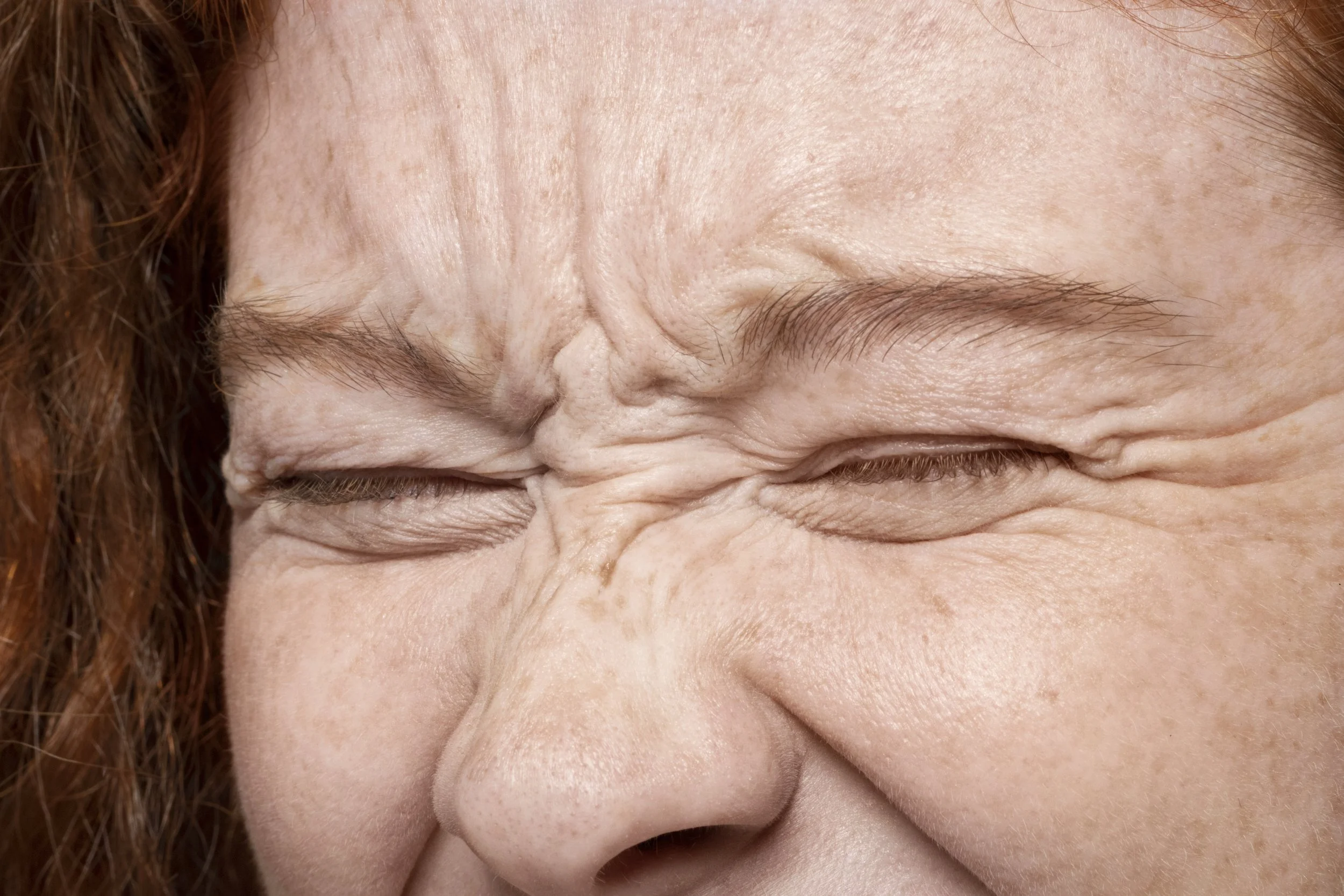
What causes the 11s
Years of a completely normal expression — concentrating, squinting, focusing — fold the skin between your brows in the same spot again and again. Over time the fold stays even when your face is relaxed. Add slowly thinning collagen and less "bounce," and the line sets in. It isn't stress written on your face. It's anatomy plus repetition.
Your options, gentlest first
Skincare and habits
Daily sunscreen, retinoids or peptides, and sunglasses (less squinting) won't erase a set line, but they slow its progress and improve the skin around it. A sensible baseline.
A conservative neuromodulator
A small, precise amount relaxes just the muscles that create the fold, so the line softens and stops deepening — while your brows still move and your face still emotes. The aim is "you look rested," not "you can't frown."
If the line is deeply etched
A clinician might pair a touch of tox with a small amount of a smoothing treatment — conservatively, over time, not all at once.
What a natural result looks like
Your expressions intact, the harsh shadow softened, and no one able to point to what changed. If a provider's opening move is a big dose or a long list, that's your cue to slow down. Wanting to look less tense isn't vanity, and it doesn't mean starting down a path you can't step off.
Want a straight answer about your 11s from someone who won't oversell you? Book a no-pressure consultation at ZMD Aesthetics in Tustin.
Book a consultation →
