
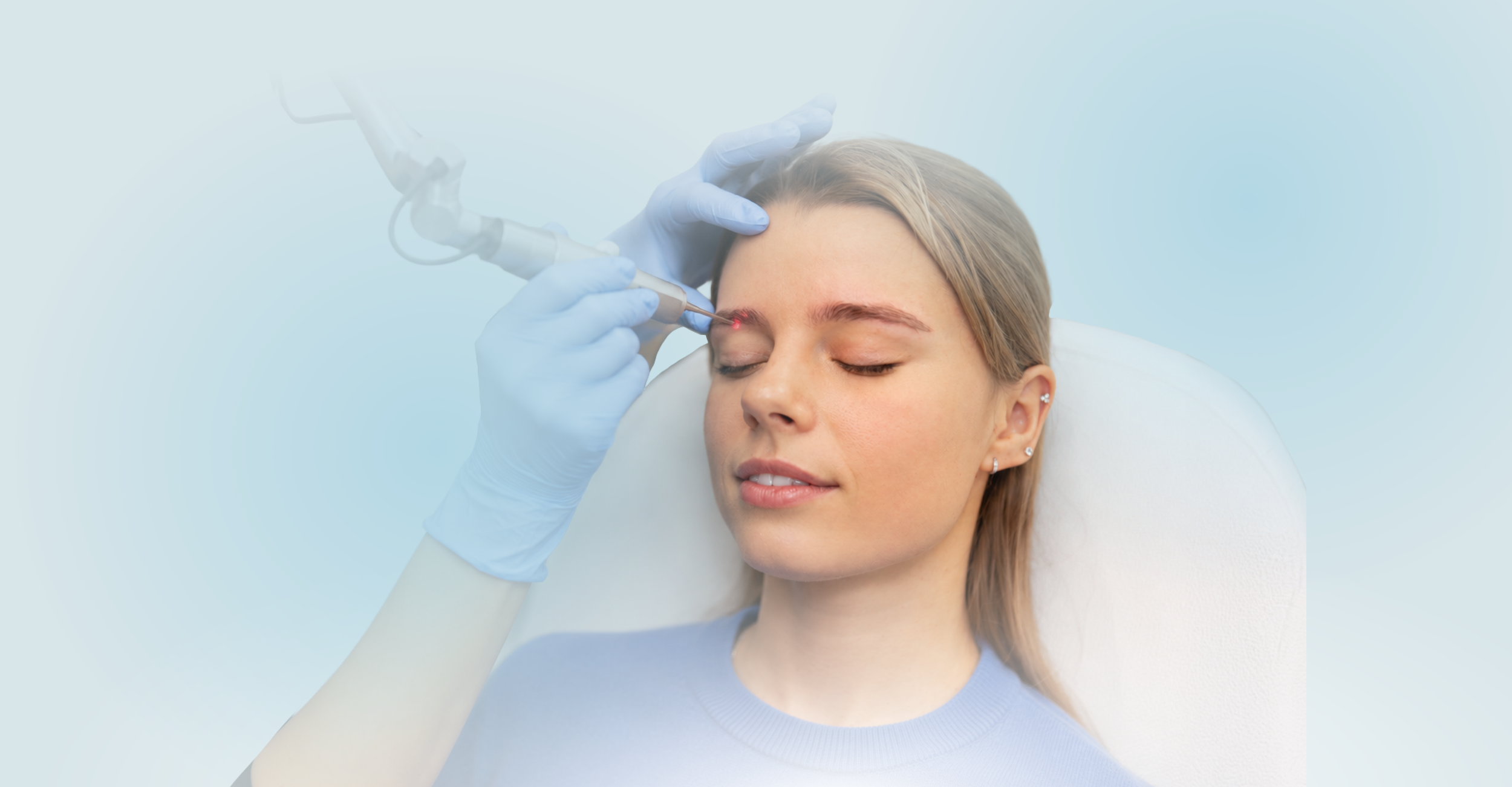
ZMD Aesthetics • Tustin, CA
Pico Laser Tattoo & Permanent Makeup Removal
Clear unwanted ink — body tattoos and cosmetic brows, lips, and eyeliner. Our multi-wavelength Pico laser is matched to your ink's color, depth, and your skin type to fade it safely, session by session.

Physician-Led (Dr. Zarina)


Works for All Ink Colors

Tattoos & Permanent Makeup
Non-Invasive Skin Treatment
Get rid of what’s holding your confidence back.
Tattoos and permanent makeup behave differently under a laser. We treat each with settings chosen for its color, depth, and location.
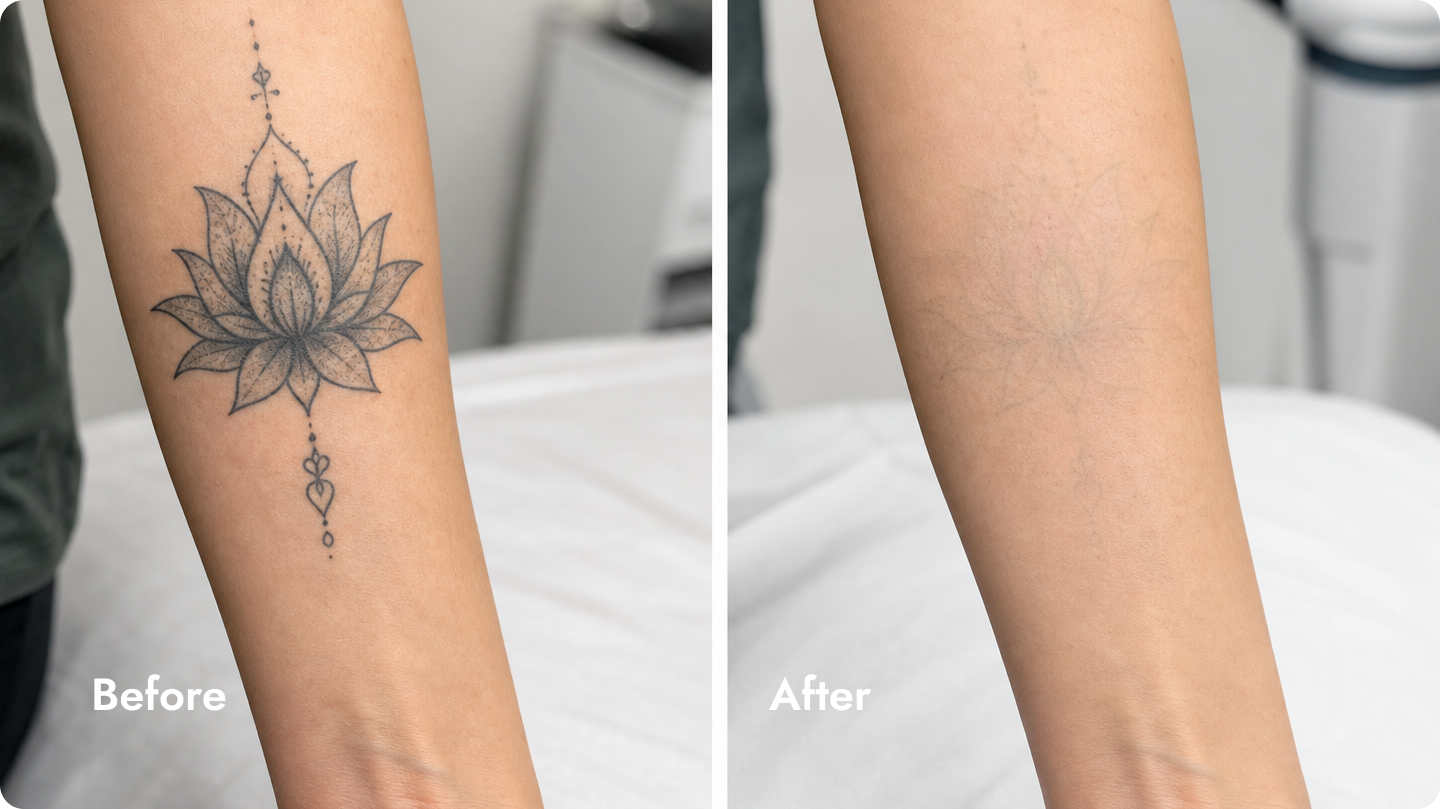
Tattoo fading
Body Tattoo Removal & Fading
Names, old amateur work, blurred or outdated designs — removed fully, or faded just enough for a clean cover-up. We stage the plan around your ink's density and age so the skin heals smoothly between sessions.
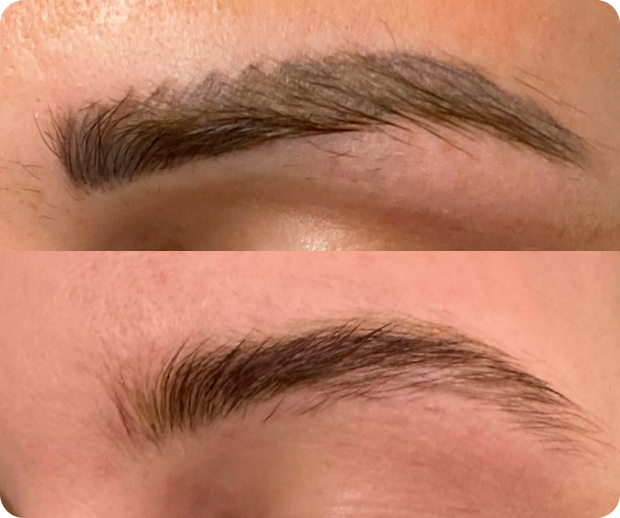
Facial pigment
Permanent Makeup Removal
Brows that healed too dark, too thick, the wrong shape, or an off color — plus dated lip blush and eyeliner. Pico is faster and gentler than older lasers on these delicate facial areas, always after a patch test.
Resistant colors
Stubborn Colors & Old Ink
Reds, greens, and blues resist single-wavelength lasers. Our multi-wavelength platform targets the colors others leave behind, matched to your skin type for safer clearing.
Not all lasers are equally effective.
Removal results depend on matching the laser to the ink. A single setting can't clear every color or protect every area.

Ink Colors Need Different Laser Settings
Black, red, blue, green, and other ink colors respond to different laser settings. We choose the right setting for each color so your tattoo or permanent makeup can fade more safely and effectively.

Safe on Delicate Facial Areas
Removing PMU near the eyes and lips takes care. Pico's shorter pulses are faster and gentler here than older Q-switched lasers, and Dr. Zarina chooses the safest wavelength for your skin type.

We Test First for Safer Results
Some pigments can shift color with laser treatment. At ZMD, Dr. Zarina can test a small spot first, so your full removal plan is safer and more predictable.
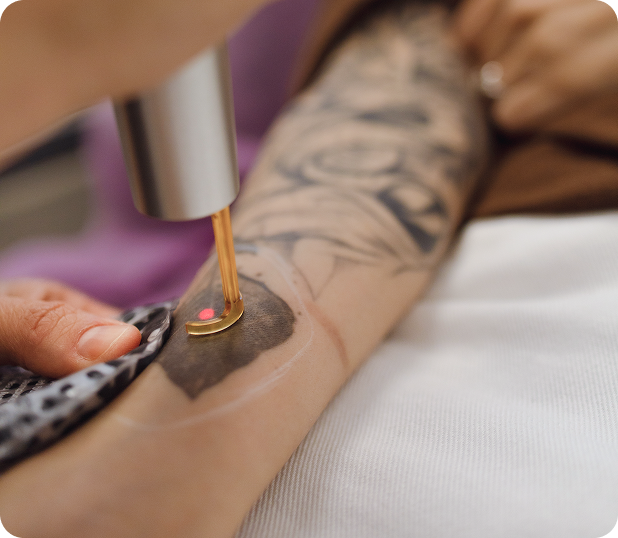
tattoo removal · PMU correction · patch-tested safety
The Ink Was Permanent. The Regret Doesn’t Have to Be.
Whether it's a tattoo you've outgrown or brows that never looked right, fading it is a step-by-step process with a clear finish line — and it starts with reading your ink correctly.
What to Expect From Your Removal Plan

Typical Roadmap Tattoo 5–10+ sessions · PMU 3+ sessions
Healing Rhythm 6–8 weeks apart · frosting right after
Wavelengths are matched to your tattoo or PMU colors, depth, age, and skin type, then reassessed as fading progresses. PMU and risky pigments may start with a patch test first. Most patients describe quick snaps against the skin; sessions are short, comfort is managed, and fading is gradual/non-linear over months.
How Removal Works, Session to Session
01
Consultation & Ink Assessment
We look at your ink's colors, depth, age, and location, review your skin type and history, and patch test any pigment that can darken. You leave with a realistic session estimate and timeline.
02
The Treatment
We select the wavelength for each color and pass the laser over the area under numbing. The ink frosts white as it fragments — the expected endpoint — and we set you up with aftercare. Sessions are quick.
03
Heal & Fade Between Visits
Over the next 6–8 weeks your body clears the fragmented ink and the area heals. Each session builds on the last until the tattoo or PMU reaches the result you're after.
Tattoo & Permanent Makeup Removal FAQs
Clear answers to what patients ask most — for both body ink and cosmetic tattoos.
-
It delivers ultra-short picosecond pulses absorbed by tattoo pigment, fragmenting the ink into tiny particles your body clears over the following weeks.
-
A range — different wavelengths target different inks. Dark/black clears most predictably; reds, oranges, greens, and blues need specific wavelengths; yellow is the most stubborn.
-
Certain wavelengths suit specific Fitzpatrick types, and one is broadly indicated across skin tones. Your provider selects the safest option for your skin.
-
It depends on ink density, colors, depth, age, and professional vs. amateur work. Light tattoos may take 3–5; dense or multicolor ink often needs 6–10 or more.
-
Temporary whitening or “frosting” of the ink is the normal, expected endpoint immediately after treatment.
-
Most patients describe quick snaps against the skin. We review comfort options based on the area and your sensitivity, and numbing is used.
-
Expect redness, swelling, tenderness, or mild sensitivity afterward. Aftercare guidance keeps healing calm; most people return to normal activity quickly.
-
Temporary redness/swelling, blistering or crusting, pigment changes lighter or darker, and rarely scarring or infection. Correct settings and aftercare reduce the risk.
-
Rarely — inks containing titanium or zinc can darken. When appropriate we start with a test spot to check the reaction first.
-
It may not suit recent unprotected sun exposure, certain photosensitizing medications, pregnancy/breastfeeding, active infection, light-triggered seizure disorders, keloids, healing issues, or recent isotretinoin use. A consultation confirms candidacy.
-
Yes — eyebrows, microblading, powder brows, lip blush, and eyeliner. Pico is faster and gentler on delicate facial areas than older lasers, always after a patch test.
-
Some PMU inks contain iron or titanium and can shift darker or reddish on the first pass. That’s why we patch test first and choose settings accordingly, rather than treating blindly.
-
Usually 3 or more, spaced several weeks apart — the exact number depends on how deep and how saturated the pigment was applied.
-
Yes. Many patients remove or lighten old work first, then start fresh with a new artist once the area has fully healed.
-
Typically about 6–8 weeks, giving your skin time to heal and your body time to clear the fragmented ink between visits.
-
Yes — we can lighten ink enough for a tattoo artist to cover it cleanly, which usually takes fewer sessions than complete removal.