
Units, Syringes, and “Sessions”: How Aesthetic Treatments Are Actually Priced—and Why the Cheapest Option Often Costs More
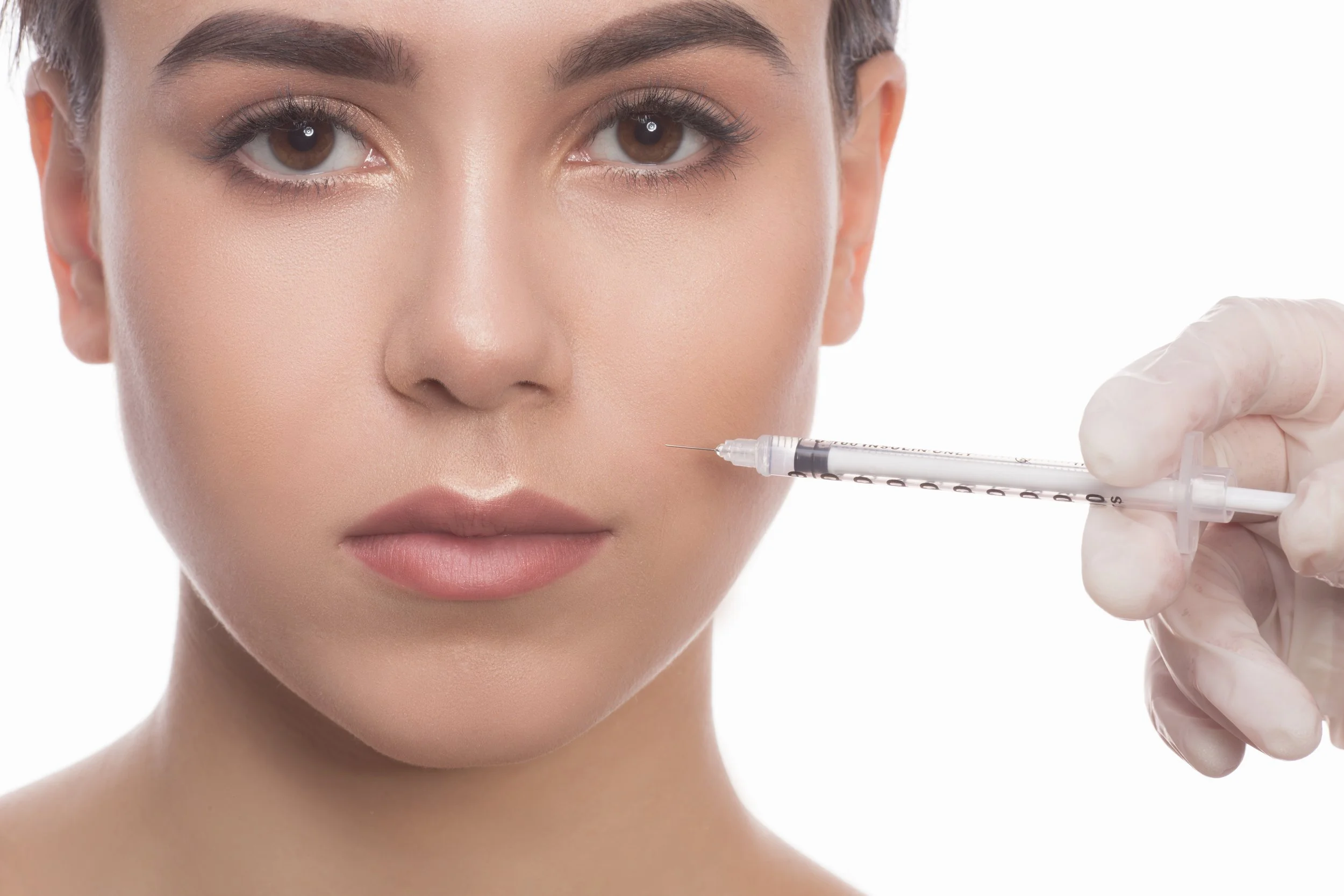
Aesthetic pricing can be confusing. Botox is priced by the unit, filler by the syringe, and laser or skin treatments by the session. But these terms do not tell the whole story—and comparing prices without understanding them can lead to disappointing results or unexpected expenses.
Neuromodulators: Priced by the Unit
Treatments such as Botox®, Dysport®, and Xeomin® are commonly priced per unit. The number of units needed depends on:
• The treatment area
• Muscle strength and facial anatomy
• Your desired degree of movement
• Whether the goal is cosmetic or therapeutic
• The specific neuromodulator being used
Units are not interchangeable between brands. For example, one unit of Botox is not equivalent to one unit of Dysport. A lower price per unit may not mean a lower total treatment cost. The best comparison is not simply “How much is each unit?” but rather:
Which product is being used, how many units are recommended, and what result is expected?
Using too few units may initially cost less, but the result may be weak, uneven, or shorter-lasting—leading to an earlier touch-up or repeat treatment.
Dermal Fillers: Priced by the Syringe
Most dermal fillers are sold by the syringe, commonly containing approximately 1 mL of product. However, one syringe does not automatically produce the same result in every patient. The amount needed depends on:
• The area being treated
• The degree of volume loss
• Facial proportions and anatomy
• The type and thickness of filler
• Whether the goal is subtle refinement or structural correction
Different fillers are designed for different purposes. A soft filler may be appropriate for the lips, while a firmer product may be selected to support the cheeks, chin, or jawline. A lower-priced syringe is not necessarily the best value if the product is poorly matched to the treatment area or if several additional syringes are later needed to achieve balance.
Lasers, Microneedling, and Skin Treatments: Priced by the Session
Laser treatments, RF microneedling, chemical peels, PRP/PRFM, and other skin procedures are often priced per session. Some patients improve after one treatment, while others need a planned series. The total number of sessions depends on:
• The condition being treated
• Skin type and pigment
• Treatment intensity
• Device technology
• Healing response
• The patient’s goals
A very inexpensive session may use conservative settings, limited treatment coverage, older technology, or exclude services that are included elsewhere. Ask what areas are treated, which device is used, who performs the procedure, and whether aftercare or follow-up is included.
Why the Cheapest Option Can Cost More
Choosing a treatment based only on the advertised price can result in:
• Insufficient treatment and shorter-lasting results
• Additional sessions or corrective appointments
• Product that is inappropriate for the treatment area
• Poor symmetry or unnatural proportions
• Complications requiring medical evaluation or correction
• More downtime and greater total expense
In aesthetic medicine, you are paying for more than the product. You are also paying for the provider’s training, anatomical knowledge, clinical judgment, technique, safety protocols, and ability to manage complications.
Questions to Ask Before Booking
Before selecting a provider, ask:
• Who will perform my treatment, and what are their qualifications?
• Which brand or device will be used?
• How much product or how many sessions are recommended?
• What is included in the quoted price?
• What result is realistic for me?
• What follow-up care is provided?
• How are complications handled?
The Bottom Line
The best aesthetic treatment is not always the least expensive—or the most aggressive. It is the treatment that is appropriate for your anatomy, goals, and medical history.
At ZMD Aesthetics, every treatment plan is individualized.
